

There’s something powerful about seeing a kitchen remodel before and after. The contrast between outdated and updated isn’t just visual. It tells a story about how smart design transforms the way a home functions.
The most dramatic transformations aren’t simply about replacing cabinets or updating finishes. They’re about addressing underlying issues and reimagining the space to better support daily life. When design decisions are intentional, the difference between before and after is more than cosmetic. It’s transformative.
Many kitchens start with common challenges. Limited counter space. Poor lighting. Inefficient layouts. Storage that never seems to be enough. These issues often accumulate over time until the space feels frustrating to use.
In many kitchen remodel projects, the original layout worked for a different era but no longer supports modern living. Closed-off rooms, undersized islands, and outdated work triangles create bottlenecks and inconvenience.
The “before” often reveals that the problem isn’t just style, but structure and flow.
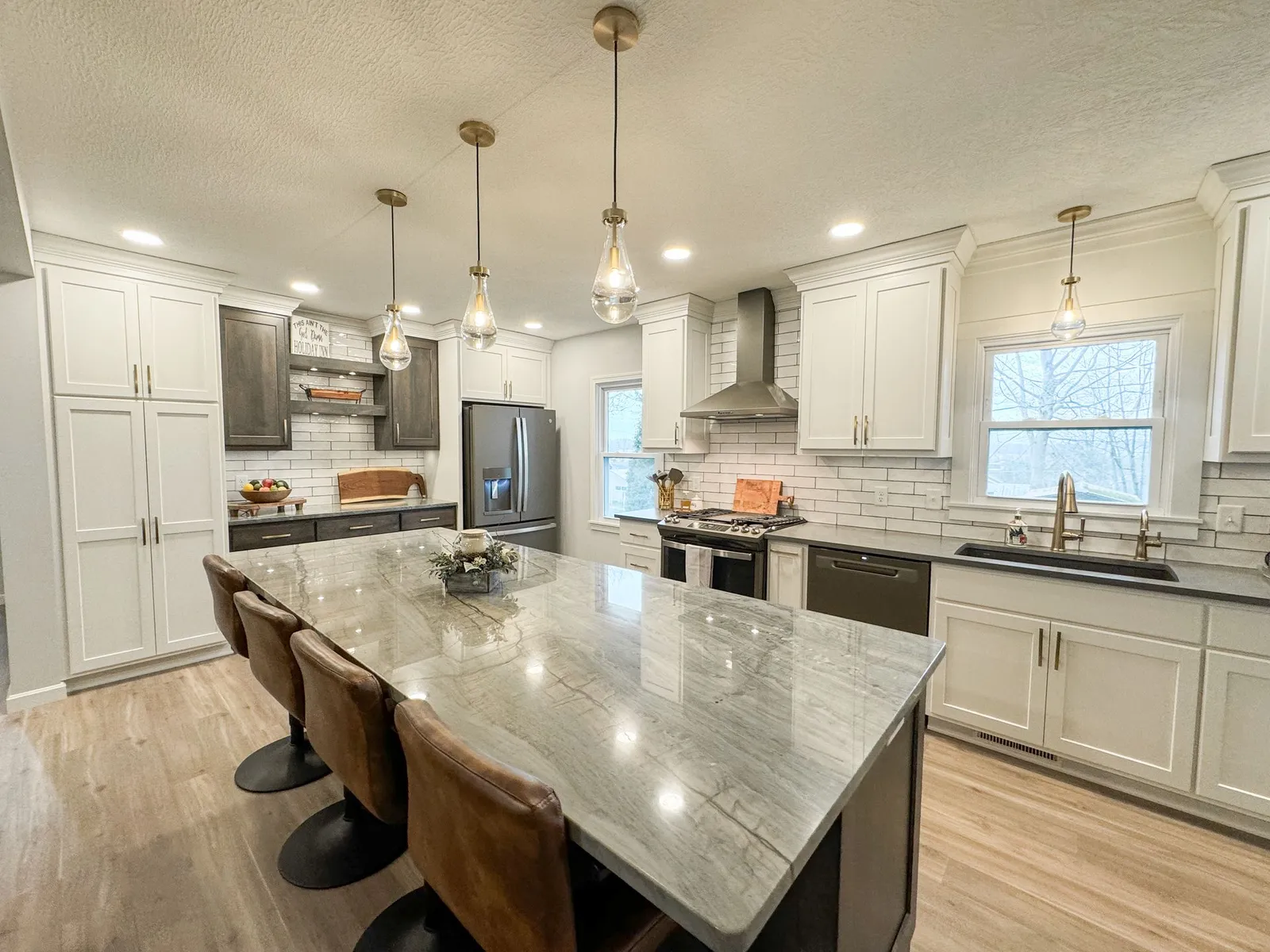
The most noticeable difference in a kitchen remodel before and after usually comes from layout improvements. Repositioning appliances, opening walls, or expanding an island can completely change how the room feels.
Smart layout design considers:
When the flow improves, everything else begins to make sense. The space feels larger, even if the footprint remains the same.
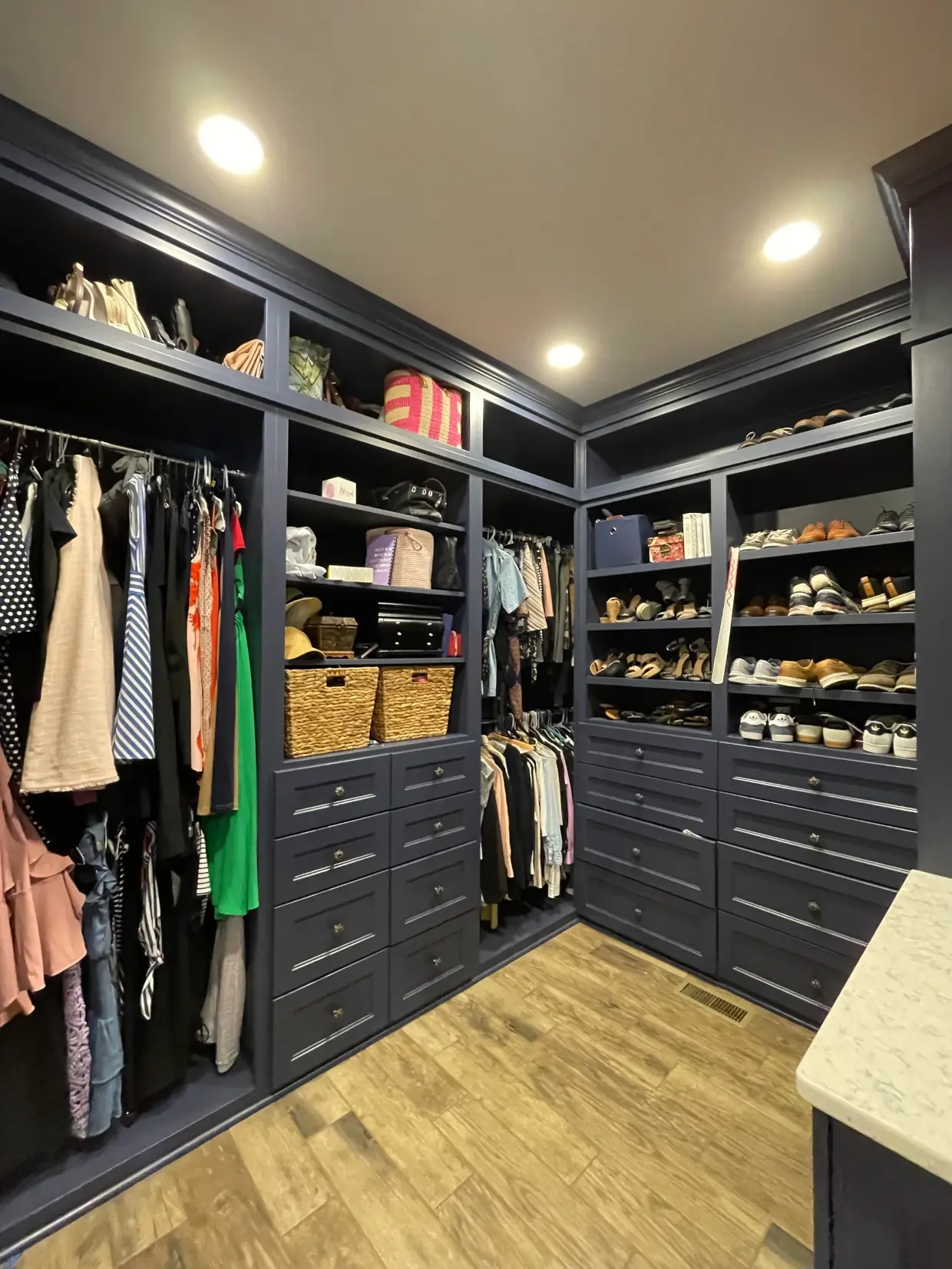
In many transformations, storage is the unsung hero. Deep drawers replace hard-to-reach cabinets. Pantry systems maximize vertical space. Custom inserts keep utensils, spices, and cookware organized.
These changes aren’t flashy, but they dramatically improve usability. Homeowners often comment that their kitchen feels calmer and easier to maintain after smart storage solutions are introduced.
Organization supports both appearance and efficiency. Check out more on our cabinetry page.
Lighting often plays a major role in the difference between before and after. A single overhead fixture can make a kitchen feel flat and dim. Layered lighting transforms it.
Under-cabinet lighting brightens prep areas. Pendants add focus over islands. Recessed lighting fills in darker corners. Together, these elements create depth and warmth.
The shift in lighting alone can make the area feel more inviting and functional.
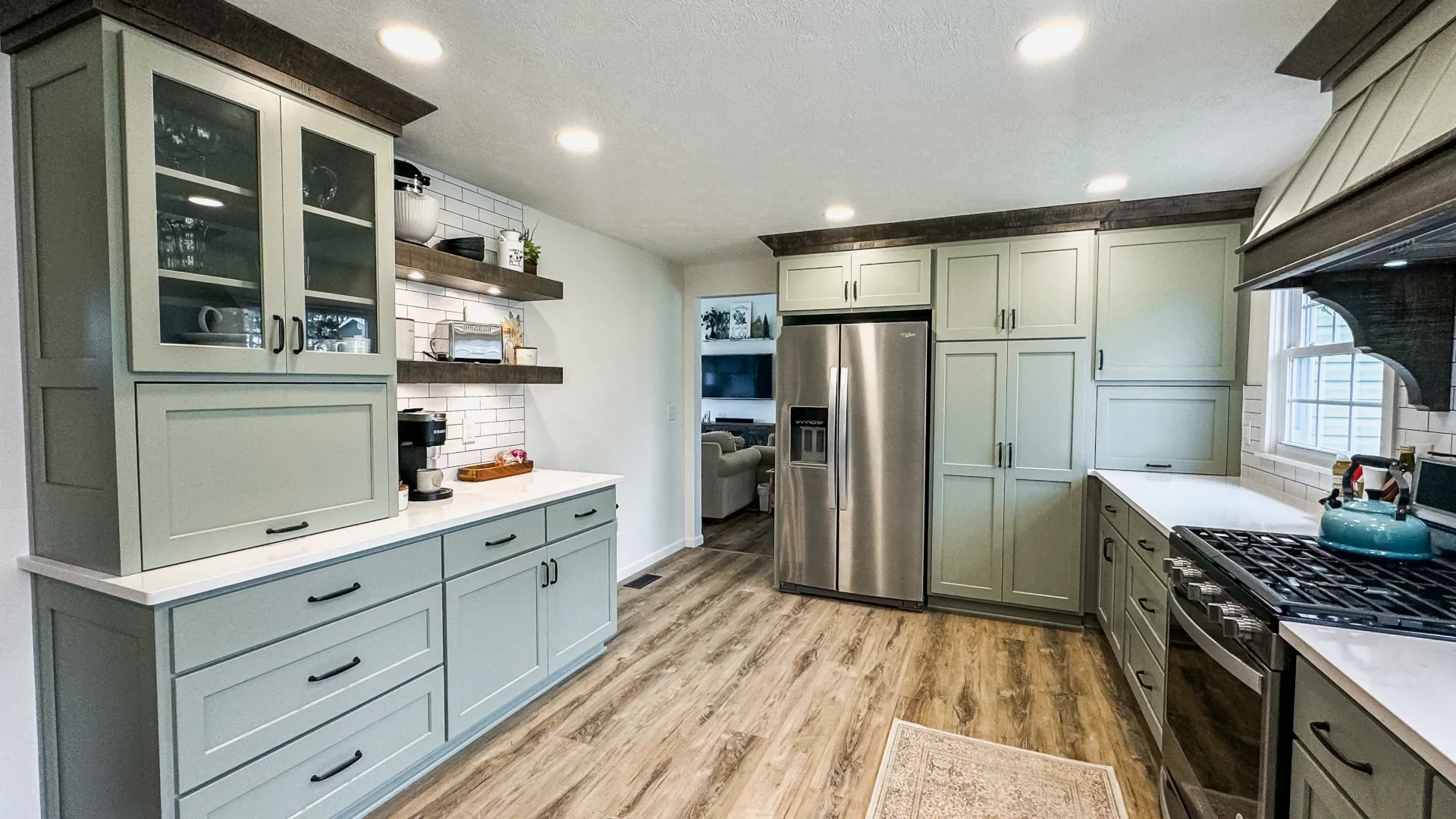
While layout and storage drive the biggest changes, updated materials complete the transformation. Cohesive cabinetry, durable countertops, and complementary finishes give the kitchen a polished appearance.
In many remodel stories, replacing worn or dated materials instantly refreshes the space. The key is to select finishes that work together rather than compete for attention.
Smart material choices support both longevity and style.
The most successful kitchen remodel projects share one common trait: they’re designed around how the homeowners actually live.
Whether it’s creating space for entertaining, accommodating growing families, or improving accessibility, thoughtful design addresses real needs. The transformation isn’t just about beauty—it’s about making everyday routines easier and more enjoyable.
When the design reflects lifestyle, the after feels like a natural extension of the home rather than a dramatic departure.
A kitchen remodel before-and-after tells a story of possibility. It shows how smart design decisions, layout improvements, better storage, layered lighting, and cohesive materials can completely reshape a space.
The true transformation isn’t just visual. It’s functional, practical, and lasting. When every design choice has purpose, the result doesn’t just look better. It lives better.
Thoughtful planning is what makes the difference between a simple update and a meaningful transformation.